


Large-Format Printer Buyer's Guide 2026: How to Choose?

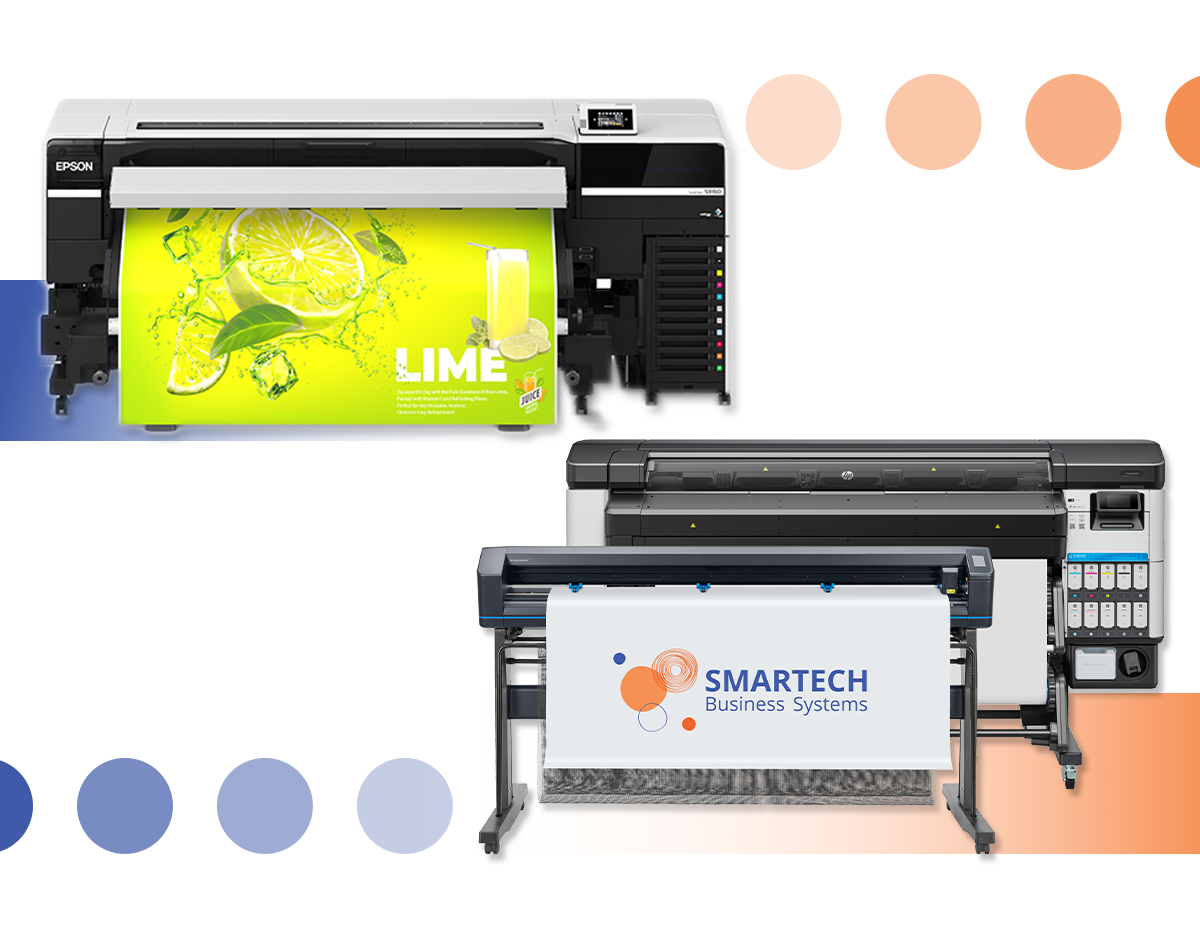
Large-Format Printer Buyer's Guide 2026: How to Choose
Investing in a wide-format printer is a strategic decision that can significantly impact your production capabilities, efficiency, and long-term profitability. Whether you're running a signage business, an architectural firm, or a creative studio, choosing the right equipment requires a clear understanding of technologies, applications, and costs.
This 2026 large-format printer buyer's guide simplifies the process by breaking down essential considerations, from print technologies to total cost of ownership, so you can make a confident and informed investment. As a practical printer buying guide and printer selection guide, it also highlights large-format printing tips you can apply immediately.
Wide vs Large-Format — What Counts
The terms wide-format and large-format are often used interchangeably, but there are subtle differences.
Wide-format printers typically print materials between 18 and 100 inches wide, covering most business needs like posters, signage, and CAD drawings.
Large-format printers can refer to larger industrial-grade machines designed for production-scale outputs such as billboards and high-volume graphics.
For most Australian businesses, wide-format printers will comfortably meet day-to-day operational requirements.
Print Technologies Compared
Understanding print technology is essential, as it directly impacts quality, durability, and workplace suitability.
Latex Printing
Uses water-based inks that are environmentally friendly, odourless, and instantly dry. Ideal for signage and applications requiring fast turnaround.
UV Printing
UV-curable inks bond instantly under ultraviolet light, allowing printing on rigid materials like glass, wood, and metal with high durability.
Dye-Sublimation (Dye-Sub)
Best for textiles and soft signage. Produces vibrant, long-lasting colours embedded into fabric.
Aqueous Ink (Water-Based)
Offers superior image detail and colour accuracy, perfect for indoor applications such as photography and fine art.
Choosing the right technology depends on your production needs, materials, and working environment.
Matching a Printer to Your Application (Signage, Technical/CAD, Décor, Wraps)
Every business has unique output requirements, so selecting the right printer should align closely with your primary applications.
Signage & Retail Displays
Latex or eco-solvent printers deliver vibrant colours and durability for both indoor and outdoor use.
Technical/CAD Work
Inkjet plotters offer precision line quality for architectural and engineering drawings.
Décor & Fine Art
Aqueous printers provide exceptional detail and colour reproduction for galleries and interior design.
Vehicle Wraps & Graphics
Latex and eco-solvent printers offer flexibility, adhesion, and long-lasting weather resistance.
Matching your printer to your workflow ensures consistent, high-quality results. For quick wins, apply large-format printing tips such as calibrating your RIP regularly and testing media profiles before full production.
Key Specs
When evaluating printers, focus on the specifications that impact efficiency and cost. A concise printer features comparison can help you shortlist models and avoid over- or under-specifying your device.
Print Width
Ensure the machine can handle your largest jobs (e.g., 24", 44", 64").
Print Speed
Faster output is essential for high-volume operations.
Ink Cost & Efficiency
Consider cost per square metre rather than cartridge price alone, and evaluate ongoing spend on printer inks and maintenance kits.
RIP Software Compatibility
A strong RIP system ensures accurate colour management, efficient file processing, and reduced media waste.
Balancing these specifications will help maximise return on investment.
Plotter Printers for CAD/Technical Work
Plotter printers are essential for technical industries such as architecture, engineering, and construction.
Key benefits include:
- High precision line accuracy
- Efficient large-format document handling
- Fast output for technical drawings
Modern inkjet plotters also provide enhanced colour capabilities for presentations and detailed design work, making them ideal for AEC environments.
Recommended Models by Use Case
While requirements vary by business, here are general recommendations:
Signage & Graphics
HP Latex Series, Epson SureColor S-Series
Rigid Media Printing
HP Latex R1000 / R2000 flatbed printers
CAD & Technical
HP DesignJet, Epson SureColor T-Series
Textiles & Soft Signage
Many teams evaluating a printer selection guide also consider brand ecosystems: HP Latex printers are valued for fast turnaround and durability, while Epson printers are known for colour fidelity across photography, proofing, and technical applications.
SMARTECH Large-Format Solutions
SMARTECH provides a comprehensive range of large-format printing solutions designed to meet the diverse needs of modern print businesses.
Among these are HP Latex printers, which deliver high-value, efficient printing with an environmental sustainability edge. Using water-based latex inks, these printers produce odourless, instantly dry prints that are ready for immediate use, aligning perfectly with eco-conscious and fast-paced production environments.
SMARTECH also offers HP Latex flatbed printers, including the R1000 and R2000 series, which provide exceptional colour vibrancy and high-quality results across both rigid and flexible media.
In addition, the Epson SureColor S Series solvent printers enable print professionals to achieve faster turnaround times, outstanding image quality, and a lower total cost of ownership.
These solutions align directly with the ink technologies discussed above, giving businesses the flexibility to choose the most suitable system for their specific applications and production goals.
Total Cost of Ownership & Service
The true cost of a printer goes beyond the purchase price. When evaluating your investment, consider:
- Ink and consumables
- Media costs
- Maintenance and replacement parts
- Energy consumption
- Potential downtime
Calculating total cost of ownership (TCO) helps prevent unexpected expenses and ensures long-term value.
Equally important is service and support. Reliable technical assistance minimises downtime and keeps your operations running smoothly.
Partnering with an experienced provider like SMARTECH ensures:
- Fast nationwide service response
- Expert technical support
- Preventative maintenance
- Maximised equipment lifespan
Final Thoughts
Choosing the right wide-format printer in 2026 requires careful planning and a clear understanding of your business needs. Use this printer selection guide to keep priorities clear.
By:
- Comparing print technologies
- Matching equipment to applications
- Analysing key specifications
- Evaluating long-term costs and support
With the right equipment and a trusted partner like SMARTECH, your business is well-positioned to produce high-quality results efficiently and grow sustainably into the future.
Q&A
Question: What’s the difference between wide-format and large-format printers, and which is right for my business?
Short answer: Wide-format typically covers 18–100 inches in print width and suits most day-to-day needs like posters, signage, and CAD drawings. Large-format often refers to bigger, industrial-grade machines for production-scale outputs (e.g., billboards).
For most Australian businesses, a wide-format printer will comfortably meet regular operational requirements.
Question: How do I choose the right print technology (Latex, UV, Dye-Sub, Aqueous) for my applications?
Short answer: Match technology to your end use and workspace.
Latex uses water-based, odourless inks that dry instantly—great for signage and fast turnarounds.
UV cures under ultraviolet light and prints directly to rigid media like glass, wood, and metal with high durability.
Dye-sublimation is best for textiles and soft signage, delivering vibrant, long-lasting colours embedded in fabric.
Aqueous (water based) excels at indoor photography and fine art where detail and colour accuracy matter most.
Recommended models by use case include:
- Signage & Graphics: HP Latex Series, Epson SureColor S Series
- Rigid Media: HP Latex R1000/R2000 flatbeds
- CAD & Technical: HP DesignJet, Epson SureColor T Series
- Textiles: Dye sublimation printers
Question: Which specifications matter most when comparing large-format printers?
Short answer: Focus on:
- Print width (ensure it covers your largest jobs, e.g., 24", 44", 64")
- Print speed (critical for high-volume output)
- Ink cost and efficiency (assess cost per square metre and ongoing spend on inks and maintenance kits)
- RIP software compatibility (for accurate colour, efficient processing, and reduced media waste)
Balancing these specs helps you avoid over- or under-specifying and maximises ROI.
Quick win: Regularly calibrate your RIP and test media profiles before full production.
Question: Do I need a plotter printer for CAD and technical drawings?
Short answer: Yes, modern inkjet plotters are designed for AEC workflows.
They deliver:
- High precision line accuracy
- Efficient handling of large documents
- Fast output for technical drawings
Many also offer enhanced colour for presentations and detailed design work, making them ideal for architecture, engineering, and construction teams.
Question: What should I consider beyond purchase price, and how can SMARTECH help?
Short answer: Calculate total cost of ownership (TCO), including:
- Inks and consumables
- Media costs
- Maintenance and replacement parts
- Energy consumption
- Potential downtime
Strong service is equally important.
Partnering with SMARTECH provides:
- Fast nationwide response
- Expert technical support
- Preventative maintenance to minimise downtime
- Extended equipment life
SMARTECH’s portfolio—such as HP Latex (including R1000/R2000 flatbeds) and Epson SureColor S and T Series—aligns with the key ink technologies, so you can match a solution to your applications and production goals with confidence.

